
Authority conflicts
Copies, exports and obsolete baselines can disagree with the system that owns the current artifact.
KlugSpice treats engineering context as governed project data.
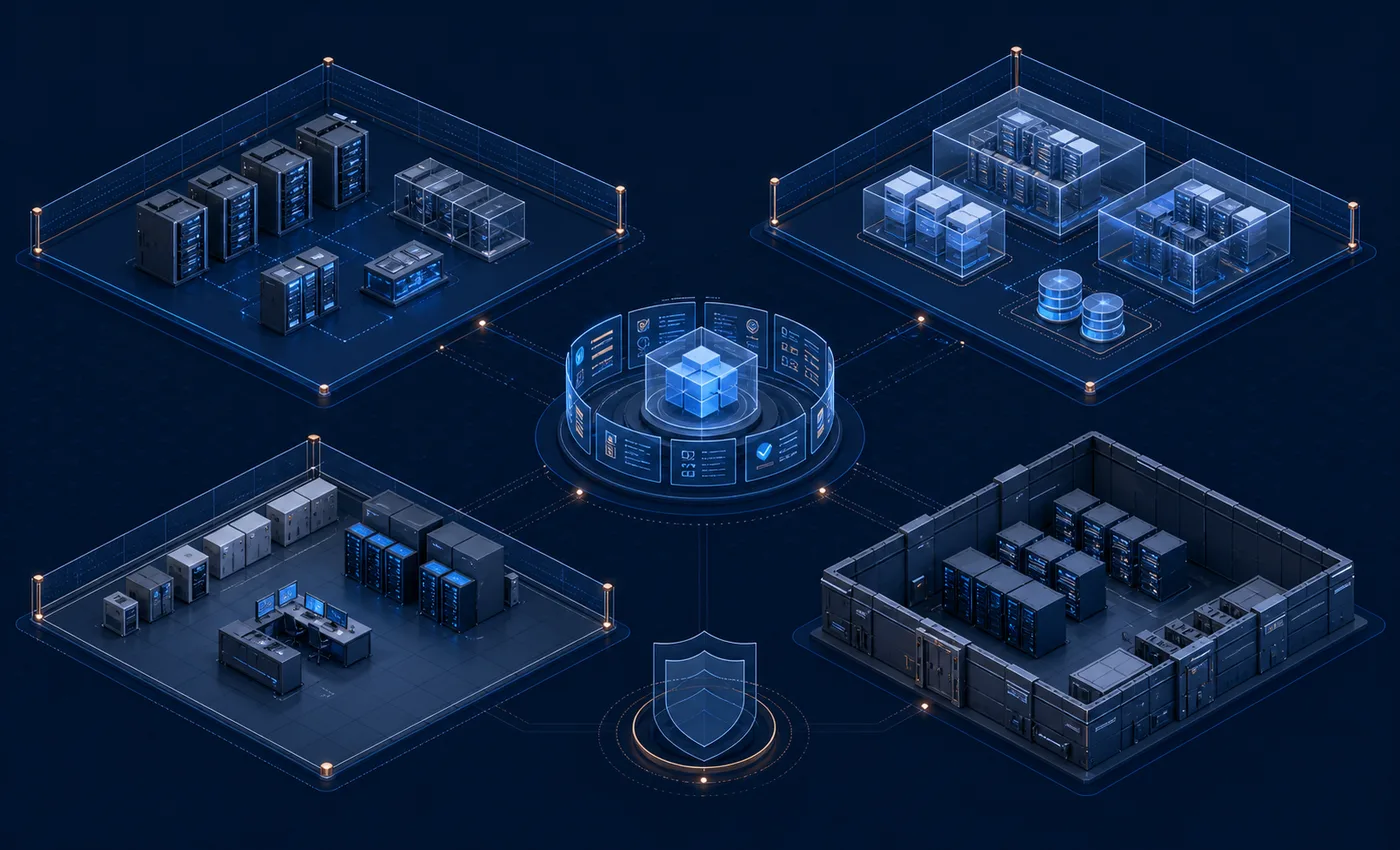
Engineering agents need the correct artifacts and relationships for a task—not unrestricted access to every programme repository or an untraceable document dump.
Copies, exports and obsolete baselines can disagree with the system that owns the current artifact.
A broad retrieval boundary can expose unrelated projects, suppliers or sensitive programme information.
Prompts, outputs, caches, indexes and logs need explicit retention and deletion rules.
Data governance follows the engineering task from source selection through review and any controlled repository update.
Name the repositories, projects, artifact types, baselines and relationships that may inform the workflow.
Resolve access through the agreed user and service identities, then limit context to what the task requires.
Record source identity and version while applying the configured rules for caches, outputs, logs and deletion.
Route proposed changes through review and write only to authorized fields, states and systems with an audit trail.
Teams should be able to explain which data informed a result, why it was authorized and what happened after review.
Every artifact retains a connection to its owning repository, identity, version and lifecycle state.
Context is assembled for a defined workflow rather than reused without an approved purpose.
Stored context, outputs, indexes and operational records follow agreed retention and deletion rules.
Accepted changes preserve approver, rationale, destination and configuration history.
Governance evidence connects policy to the actual sources, permissions, task execution, retained records and repository actions in the configured environment.
Move between the platform, engineering solution, industry and standard views without losing the engineering thread.
Clear answers for engineering, quality, security and programme leaders.
No. Access should be limited to the systems, projects and artifact types required for the configured workflows.
Only if the customer explicitly configures and authorizes that path. Read, propose, approve and write permissions can remain separate.
Retention depends on the deployment and customer policy. The agreed architecture should define treatment of source caches, indexes, outputs, logs and backups.
Identify the authoritative sources, permitted task, retention rules, reviewer and controlled destination before execution begins.