
Unclear data paths
Teams need an architecture-level view of where artifacts, prompts, outputs, logs and backups can move.
KlugSpice supports customer-cloud, on-premises and air-gapped deployment patterns.
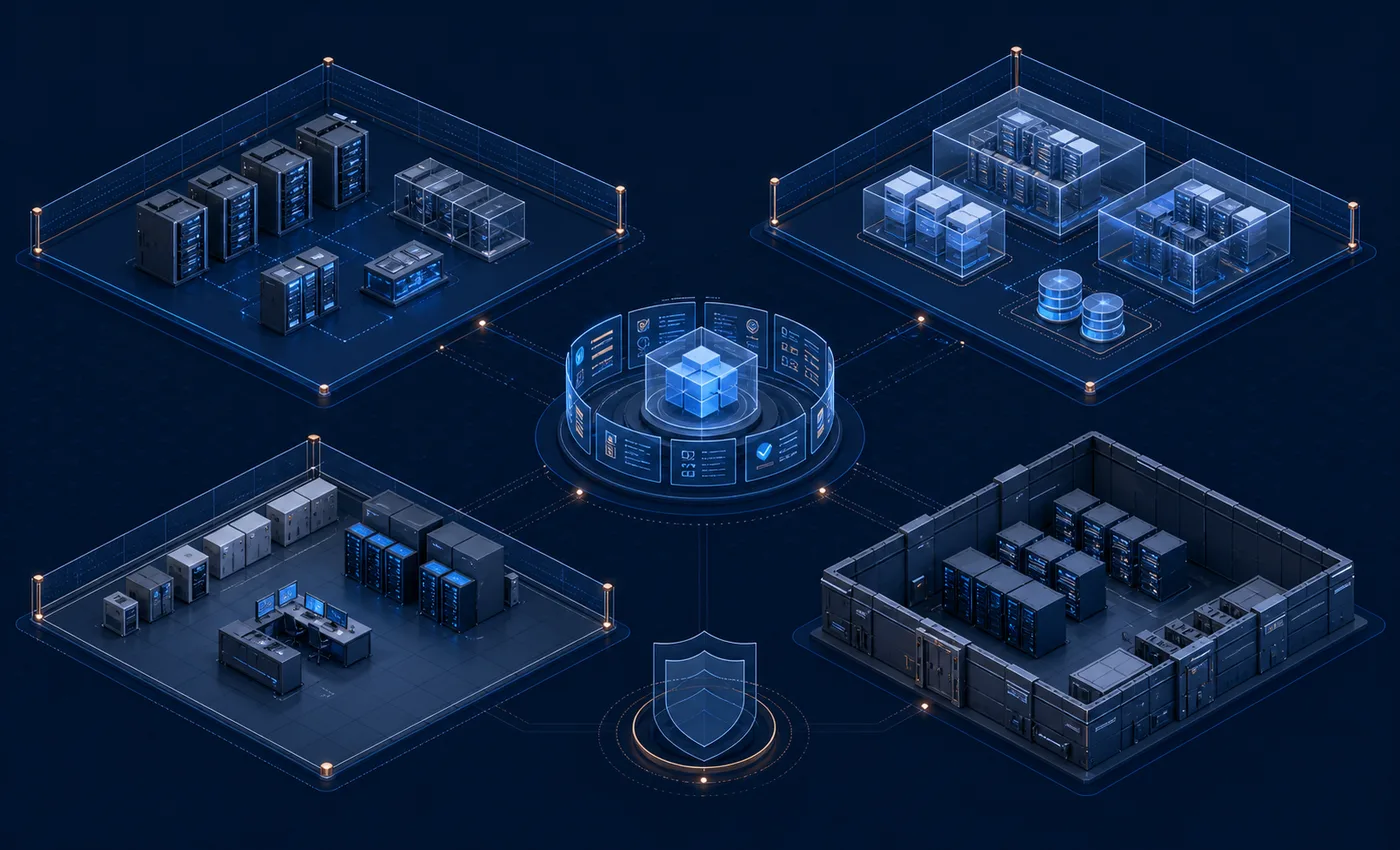
Model hosting is only one part of the threat surface. Connectors, identities, repositories, logs, updates and operator access all shape programme risk.
Teams need an architecture-level view of where artifacts, prompts, outputs, logs and backups can move.
Connector and agent permissions must not silently exceed the user, project or task boundary.
Patching, monitoring, incident response, backup and recovery need named owners in every deployment model.
Security design begins with data classification and responsibility, then maps controls to the chosen deployment.
Identify programme sensitivity, regulatory constraints, supplier boundaries and plausible misuse or compromise paths.
Place application, models, storage and integrations according to connectivity and control requirements.
Use customer identity where agreed and limit user, service and connector permissions to authorized work.
Test logging, alerting, change control, incident response, backup and recovery responsibilities before production use.
A production design should make data flow, trust boundaries, privileged actions and operating ownership reviewable.
Where project artifacts, embeddings, prompts, outputs, logs and backups are processed and retained.
How human, service, connector and model access is authenticated, authorized and reviewed.
How encryption, secrets, network segmentation and system hardening are implemented in the selected environment.
Who monitors, patches, responds, recovers and verifies that the agreed posture remains effective.
Architecture documentation, configuration records and operational tests should support each agreed control claim. Product descriptions alone are not evidence of a customer deployment.
Move between the platform, engineering solution, industry and standard views without losing the engineering thread.
Clear answers for engineering, quality, security and programme leaders.
Yes. A fully air-gapped deployment can be designed with customer-controlled identity, repositories and model infrastructure, subject to the agreed implementation and operations.
No. Security depends on architecture, configuration, identity, patching, monitoring and operational practice. Location alone is not a guarantee.
No. Connector permissions can be scoped by workflow, and writeback can remain disabled or restricted to controlled approval paths.
Review data classification, identities, integrations, model placement and operational ownership before selecting an architecture.